
Technology is not just changing fast—it’s transforming the way we live, work, learn, and communicate. From smart homes to artificial intelligence, upcoming tech innovations are becoming a part of our daily lives, sometimes without us even noticing. If you’re curious about what the future holds and how these innovations may affect you, let’s explore them together in a simple and friendly way.
Artificial Intelligence: Smarter, Faster, and More Human-Like

Artificial Intelligence is one of the most powerful upcoming tech innovations. AI systems are now capable of learning, analyzing large amounts of data, and making decisions with impressive accuracy. In the coming years, AI will be widely used in healthcare, education, customer service, and business operations.
AI-powered tools can help doctors diagnose diseases early, assist students with personalized learning plans, and help companies predict market trends more accurately.
Benefits of AI
- Improves efficiency and productivity
- Reduces human error in critical tasks
- Provides personalized experiences
- Saves time and operational costs
Drawbacks of AI
- Risk of job displacement in some industries
- Data privacy and security concerns
- High development and maintenance costs
- Dependence on quality data
Internet of Things (IoT): A More Connected World
Another key area of upcoming tech innovations is the Internet of Things. IoT connects everyday devices to the internet, allowing them to communicate with each other. Smart homes, wearable fitness trackers, and connected appliances are just the beginning.
In the future, entire cities may become smarter, with traffic systems, energy usage, and public services all managed through connected technology.
Benefits of IoT
- Increased convenience and automation
- Better energy efficiency
- Real-time monitoring and control
- Improved safety and security
Drawbacks of IoT
- Security vulnerabilities and hacking risks
- Compatibility issues between devices
- High setup costs
- Privacy concerns
5G and Advanced Connectivity
Fast internet is the backbone of most upcoming tech innovations. 5G technology offers much faster speeds, lower latency, and better connectivity than previous networks. This will support technologies like self-driving cars, smart healthcare systems, and remote work environments.
As connectivity improves, digital experiences will become smoother and more reliable.
Benefits of Advanced Connectivity
- Faster download and upload speeds
- Improved online communication
- Supports emerging technologies
- Better remote work and learning experiences
Drawbacks of Advanced Connectivity
- Expensive infrastructure development
- Limited availability in rural areas
- Device compatibility issues
- Health concerns still under discussion
Virtual Reality and Augmented Reality
Virtual Reality (VR) and Augmented Reality (AR) are rapidly evolving upcoming tech innovations. These technologies create immersive experiences that go beyond screens. VR is used for simulations and training, while AR enhances real-world environments with digital information.
From virtual classrooms to online shopping and medical training, these technologies are opening new possibilities.
Benefits of VR and AR
- Highly immersive learning experiences
- Better training and skill development
- Enhanced customer experiences
- Reduced travel and training costs
Drawbacks of VR and AR
- High cost of devices
- Possible health issues like eye strain
- Limited content availability
- Requires strong hardware support
Green Technology and Sustainable Innovations
One of the most meaningful upcoming tech innovations focuses on sustainability. Green technology aims to reduce environmental damage by using renewable energy, electric vehicles, and smart energy management systems.
These innovations help businesses and individuals reduce their carbon footprint while saving resources.
Benefits of Green Technology
- Environmentally friendly solutions
- Reduced energy costs over time
- Supports sustainable development
- Encourages clean energy use
Drawbacks of Green Technology
- High initial investment
- Limited infrastructure in some regions
- Dependence on weather conditions
- Slow adoption rate
You may also like to read these posts:
Healthcare Technology: A New Era of Medical Care
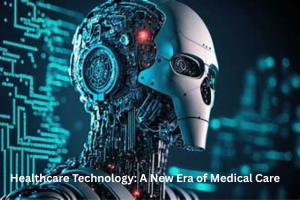
Healthcare is being transformed by upcoming tech innovations such as wearable devices, telemedicine, and AI-driven diagnostics. Patients can now monitor their health in real time and consult doctors remotely.
These technologies make healthcare more accessible, especially for people in remote areas.
Benefits of Healthcare Technology
- Early disease detection
- Remote healthcare access
- Improved patient monitoring
- Reduced healthcare costs
Drawbacks of Healthcare Technology
- Data privacy and security risks
- Technical issues and system failures
- High cost of advanced equipment
- Limited digital literacy among patients
Final Thoughts
There’s no doubt that upcoming tech innovations are shaping a future that is smarter, faster, and more connected. While these technologies offer incredible benefits, they also come with challenges that must be addressed responsibly.
By understanding both the advantages and drawbacks, individuals and businesses can make better decisions and adapt more confidently to the changing digital world. The key is balance—using technology to improve life while staying aware of its limitations.
FAQs
- What are upcoming tech innovations?
Upcoming tech innovations are new or emerging technologies that are expected to significantly impact our daily lives, industries, and society in the near future. Examples include AI, 5G, VR/AR, IoT, and green technology.
- How will AI change our daily lives?
AI will make daily tasks smarter and more efficient. From virtual assistants helping with scheduling to healthcare systems detecting diseases early, AI will enhance productivity and improve personal and professional experiences.
- Are smart homes part of upcoming tech innovations?
Yes! Smart homes use IoT devices to automate lighting, temperature, security, and appliances. These innovations make daily life more convenient, energy-efficient, and secure.
- How will 5G technology affect us?
5G provides faster internet speeds, lower latency, and better connectivity. It will support seamless streaming, advanced gaming, smart cities, autonomous vehicles, and improved remote work or online education experiences.
- What are the risks of new technology?
While upcoming tech innovations bring many benefits, they also come with risks like data privacy concerns, cybersecurity threats, high costs, and possible job displacement in certain industries.