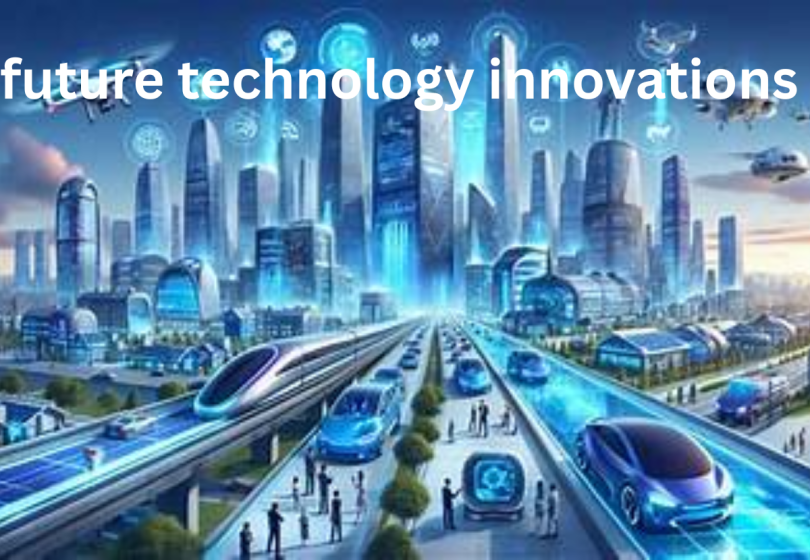

When we talk about future technology innovations, we are talking about powerful changes that will reshape how we live, work, and interact with the world. Technology is no longer just a tool; it is becoming a partner in our daily lives. From smarter machines to cleaner energy and advanced healthcare, the future is arriving faster than most of us expect.
In this detailed guide, we’ll explore the most important future technology innovations, explain how they work in simple terms, and clearly outline their benefits and drawbacks so you can understand both sides.
Artificial Intelligence and Machine Learning Evolution
Artificial Intelligence (AI) and Machine Learning are at the heart of many future technology innovations. In the coming years, AI systems will move beyond basic automation and become more intelligent, adaptive, and human-like in their understanding.
AI will help businesses analyze data instantly, doctors diagnose diseases earlier, and educators personalize learning for students. Smart assistants will manage schedules, finances, and even health reminders with minimal input.
Benefits of AI Innovations
- Saves time by automating repetitive tasks
- Improves accuracy in decision-making
- Enhances productivity in businesses and industries
- Supports personalized education and healthcare
Drawbacks of AI Innovations
- Job displacement in some sectors
- High development and maintenance costs
- Ethical concerns about privacy and data usage
- Dependence on machines for critical decisions
Quantum Computing and Advanced Processing Power
Quantum computing is one of the most groundbreaking future technology innovations. Unlike traditional computers, quantum systems process massive amounts of data at once, making them incredibly powerful.
This technology will help solve complex problems in climate modeling, pharmaceutical research, financial forecasting, and cybersecurity. While still in early stages, its long-term impact could be revolutionary.
Benefits of Quantum Computing
- Solves complex problems much faster
- Enables advanced scientific research
- Improves cybersecurity and encryption methods
- Accelerates drug discovery and innovation
Drawbacks of Quantum Computing
- Extremely expensive to develop
- Requires specialized skills and infrastructure
- Still not widely accessible
- Potential security risks if misused
Smart Cities and Internet of Things (IoT)
Smart cities and IoT devices are transforming urban living, making them a major part of future technology innovations. Sensors, AI, and connected devices work together to manage traffic, energy, water, and public safety.
Smart homes will also evolve, offering automated lighting, security, and climate control that adapts to user behavior.
Benefits of Smart Cities and IoT
- Efficient use of energy and resources
- Reduced traffic congestion and pollution
- Improved public safety and services
- Enhanced convenience in daily life
Drawbacks of Smart Cities and IoT
- High implementation and maintenance costs
- Increased cybersecurity risks
- Privacy concerns from data collection
- Dependence on stable internet connectivity
Extended Reality (AR, VR, and MR)
Extended Reality is redefining how we interact with digital content and is a key element of future technology innovations. AR, VR, and MR technologies create immersive experiences for education, entertainment, training, and healthcare.
Students can explore virtual labs, employees can receive hands-on training, and doctors can perform complex simulations before real procedures.
Benefits of Extended Reality
- Highly engaging learning experiences
- Improved training and skill development
- Enhanced entertainment and gaming
- Better remote collaboration
Drawbacks of Extended Reality
- Expensive hardware and software
- Potential health issues like eye strain
- Limited real-world interaction
- Requires strong technical infrastructure
Green Technology and Sustainable Innovation
Sustainability is a major focus of future technology innovations. Green technology aims to reduce environmental impact through renewable energy, smart grids, and eco-friendly manufacturing.
Electric vehicles, advanced battery storage, and energy-efficient systems will play a vital role in reducing carbon emissions.
Benefits of Green Technology
- Reduces environmental pollution
- Lowers long-term energy costs
- Supports climate change solutions
- Promotes sustainable economic growth
Drawbacks of Green Technology
- High initial investment costs
- Dependence on weather conditions
- Limited infrastructure in some regions
- Slow adoption in developing areas
You may also like to read these posts:
Biotechnology and Future Healthcare Solutions
Healthcare will be transformed by future technology innovations through biotechnology, wearable devices, and AI-powered diagnostics. Personalized medicine will use genetic data to tailor treatments for individuals.
Remote healthcare services will expand access, especially in rural and underserved areas.
Benefits of Healthcare Innovations
- Early disease detection and prevention
- Personalized and effective treatments
- Improved access to medical care
- Reduced healthcare costs over time
Drawbacks of Healthcare Innovations
- Data privacy and security concerns
- High cost of advanced treatments
- Ethical issues in genetic research
- Unequal access to new technologies
Connectivity: 5G, 6G, and Beyond
Fast connectivity is the backbone of many future technology innovations. With the expansion of 5G and development of 6G, data transfer will be faster, more reliable, and more responsive.
This will support autonomous vehicles, smart devices, and seamless remote work experiences.
Benefits of Advanced Connectivity
- Faster internet speeds
- Supports smart technologies and automation
- Improves communication and collaboration
- Boosts economic and digital growth
Drawbacks of Advanced Connectivity
- Infrastructure development costs
- Limited coverage in rural areas
- Increased energy consumption
- Potential health and security concerns
Final Thoughts on Future Technology Innovations
Future technology innovations are shaping a world that is more connected, intelligent, and efficient. While these advancements bring incredible benefits, they also come with challenges that require careful planning, ethical consideration, and responsible use.
By understanding both the benefits and drawbacks, individuals and businesses can prepare for change, make informed decisions, and adapt confidently to the future. Technology will continue to evolve, and those who stay informed will be best positioned to thrive in the digital age.
FAQs
- What are future technology innovations?
Answer: Future technology innovations are new and emerging technologies that are expected to significantly change the way we live, work, and interact with the world. Examples include AI, quantum computing, smart cities, extended reality (AR/VR), green technology, and advanced healthcare solutions.
- How will AI impact our daily lives in the future?
Answer: AI will make everyday life more convenient by automating repetitive tasks, providing personalized recommendations, improving healthcare diagnostics, and supporting education. For example, AI assistants could help manage schedules, finances, and even mental wellness.
- What are the benefits of quantum computing?
Answer: Quantum computing can process complex problems much faster than traditional computers. Benefits include faster scientific research, improved cybersecurity, accelerated drug discovery, and better climate modeling.
- Are there any drawbacks of future technology innovations?
Answer: Yes, while these technologies offer many advantages, they also have drawbacks. These can include high costs, privacy and security concerns, ethical issues, potential job displacement, and dependence on technology.
- How will smart cities improve our lives?
Answer: Smart cities use IoT devices and AI to manage traffic, energy, water, and public services efficiently. This can reduce pollution, improve safety, and make daily life more convenient through automated systems in homes and public spaces.