
When we hear the phrase technology of the future, it often sounds like something distant or almost science fiction. But in reality, the future is arriving faster than we expect. Many of the technologies once imagined in movies are already becoming part of our daily lives. From smart devices to artificial intelligence, the technology of the future is shaping how we live, work, learn, and connect with the world around us.
Let’s take a deeper and more practical look at what the technology of the future really means, along with its benefits and drawbacks, so you can clearly understand what’s coming and how it may affect you.
Understanding the Technology of the Future
The technology of the future refers to advanced innovations designed to improve efficiency, accuracy, sustainability, and human comfort. These technologies focus on automation, intelligence, connectivity, and personalization. Instead of working harder, future technology helps us work smarter.
What makes future technology unique is that it learns from data, adapts to user behavior, and integrates seamlessly into everyday life.
Artificial Intelligence and Machine Learning
Artificial Intelligence (AI) is at the core of the technology of the future. Unlike traditional software, AI systems can analyze data, recognize patterns, and make decisions with minimal human input.
In the future, AI will:
- Assist doctors with faster and more accurate diagnoses
- Help businesses predict trends and customer needs
- Personalize online learning and digital experiences
- Improve customer support through intelligent chatbots
Benefits of AI
- Saves time by automating repetitive tasks
- Improves accuracy and reduces human error
- Enhances productivity across industries
Drawbacks of AI
- Job displacement in certain sectors
- Privacy concerns due to data collection
- High development and maintenance costs
Internet of Things (IoT): Smart Living Everywhere
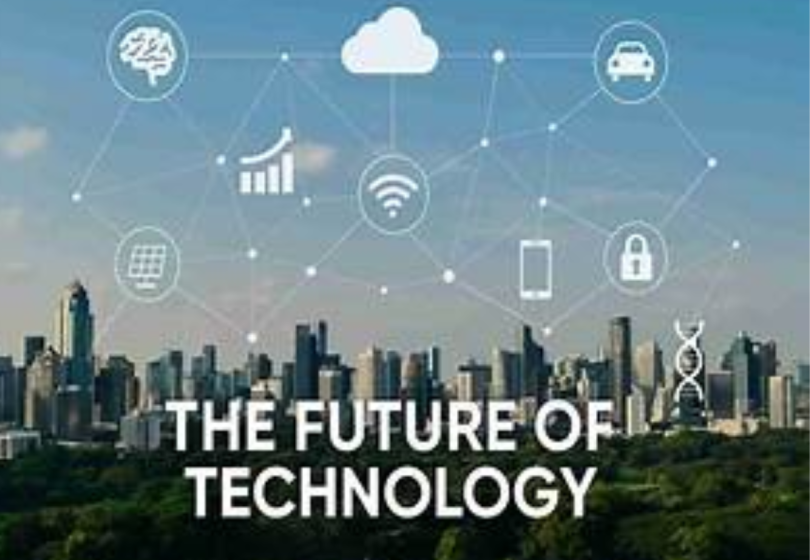
Another major part of the technology of the future is the Internet of Things (IoT). IoT connects everyday objects to the internet, allowing them to collect and share data.
Smart homes, smart cities, and smart industries will become more common. Devices will communicate with each other to improve efficiency and comfort. For example, smart thermostats will reduce energy usage, and smart traffic systems will reduce congestion.
Benefits of IoT
- Improved convenience and automation
- Better energy efficiency
- Real-time monitoring and control
Drawbacks of IoT
- Security risks from connected devices
- Dependence on internet connectivity
- High setup and infrastructure costs
Future Healthcare Technology
Healthcare is one of the biggest beneficiaries of the technology of the future. Advanced tools will focus on prevention, early detection, and personalized treatment.
Wearable health devices will track vital signs continuously. AI-powered systems will analyze medical data to detect diseases earlier. Telemedicine will make healthcare accessible even in remote areas.
Benefits of Future Healthcare Tech
- Early disease detection and prevention
- Remote access to medical experts
- Reduced healthcare costs over time
Drawbacks of Future Healthcare Tech
- Data privacy and security issues
- Limited access in underdeveloped regions
- Over-reliance on technology
Clean Energy and Sustainable Technology
The technology of the future strongly emphasizes sustainability. As climate concerns grow, future technology aims to reduce environmental impact.
Renewable energy sources such as solar, wind, and hydrogen will replace fossil fuels. Electric vehicles, smart grids, and energy-efficient buildings will help create a greener planet.
Benefits of Sustainable Technology
- Reduced pollution and carbon emissions
- Long-term cost savings
- Environment-friendly development
Drawbacks of Sustainable Technology
- High initial investment
- Limited availability in some regions
- Dependence on weather conditions
Virtual Reality (VR) and Augmented Reality (AR)
VR and AR are redefining how we experience digital content. The technology of the future will blend physical and virtual worlds, making interactions more immersive.
Education, training, gaming, shopping, and remote work will all benefit from VR and AR technologies.
Benefits of VR and AR
- Immersive learning and training experiences
- Enhanced entertainment and gaming
- Improved remote collaboration
Drawbacks of VR and AR
- Expensive hardware requirements
- Health concerns like eye strain
- Limited content availability
You may also like to read these posts:
Impact of Technology of the Future on Jobs and Society
The technology of the future will transform job roles rather than eliminate them entirely. While some traditional jobs may decline, new roles in technology, data analysis, cybersecurity, and innovation will emerge.
Society will benefit from increased efficiency, better communication, and improved quality of life. However, adapting to rapid technological change will require continuous learning and skill development.
Final Thoughts
The technology of the future is not just about advanced machines or digital tools—it’s about improving human life. While it offers countless benefits such as efficiency, convenience, and sustainability, it also comes with challenges like privacy risks, cost, and ethical concerns.
By understanding both the benefits and drawbacks, we can better prepare ourselves for what lies ahead. The future of technology is already unfolding, and those who adapt, learn, and embrace change will benefit the most.
FAQs
- What is meant by “technology of the future”?
Answer: The technology of the future refers to advanced tools, systems, and innovations that are currently being developed or are in early stages of use. These technologies aim to improve efficiency, connectivity, sustainability, and the overall quality of life.
- What are some examples of future technology?
Answer: Examples include:
- Artificial Intelligence (AI) and machine learning
- Internet of Things (IoT) for smart homes and cities
- Virtual Reality (VR) and Augmented Reality (AR)
- Wearable healthcare devices and telemedicine
- Clean and renewable energy solutions
- How will AI impact our daily lives?
Answer: AI will make everyday tasks easier and more efficient. It can help with personalized recommendations, automate repetitive tasks, assist in healthcare diagnostics, and improve decision-making in businesses.
- What are the benefits of the technology of the future?
Answer: Benefits include:
- Increased convenience and efficiency
- Improved healthcare and early disease detection
- Sustainable and eco-friendly solutions
- Better communication and connectivity
- Creation of new job opportunities
- Are there any drawbacks to future technologies?
Answer: Yes, some drawbacks include:
- Privacy and security concerns due to data collection
- Job displacement in some sectors
- High initial costs for implementation
- Over-reliance on technology
- Health concerns (e.g., eye strain from VR)